Christ Followers in East Africa Aila Tasse and Dave Coles
Aila Tasse is a Muslim-background believer, born in Kenya. He is the founder and president of Lifeway Global and Regional Director for New Generations in East/Southern Africa. He has a doctorate in transformational leadership (DTL) from Bakke Graduate University in Dallas, Texas. Dave Coles is an encourager and resourcer of church-planting movements among unreached groups, serving with Beyond. He is the author of Jonathan edwards on Movements and other movement-related books and articles.
Excerpt from Cabbages in the Desert: how God Transformed a Devout Muslim and Catalyzed Disciple Making Movements among Unreached peoples, Beyond, 2024. Used with permission.
In African cultures, we live as groups of people who are connected. We like to take people to meet our grandmother and our brother and so on. We can easily use that dynamic to share Christ with our various relatives and friends.
In many of the areas where movements are happening, persecution is common. In strict areas, our leaders don’t want to be seen associating with “Christians,” so we train those leaders privately, sometimes one-on-one. We need to train them well because we as outsiders don’t stay long in those places. We equip and empower them to follow Christ, evangelize, and plant churches. Then, as outsiders to the community, we leave the area quickly so we don’t expose the disciples to unnecessary suspicion within their community.
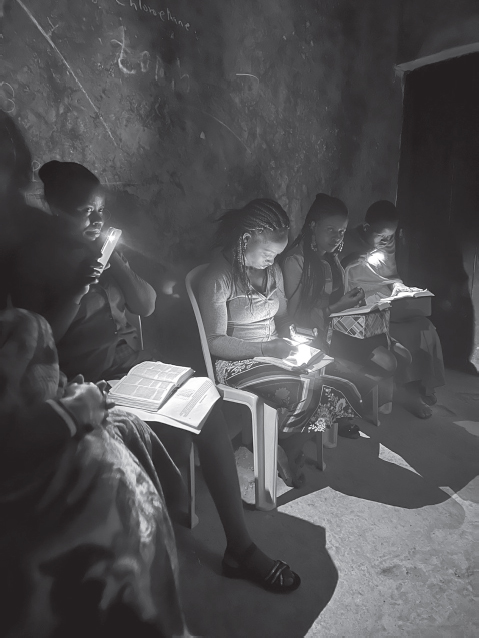
In other areas, where the disciples are known and accepted as followers of Jesus, trainings and church gatherings might look quite similar to church gatherings around the world, but songs and discussions are in the local language. In each case, the form of the church depends on the local circumstances and the needs of the local believers—not on our own ideas of what church should look like.
In different settings, disciples use different approaches for worship and discipleship, as the Spirit leads them. We don’t try to push or enforce any particular approach for all believers or all groups. We trust Christ as the one who best knows every local context to give wisdom for specific situations.
A case in point is a church planter who has a long beard, so he looks like people in that place expect a wise man to look. He fits well into the community and tells them stories from the Bible, which he does with great skill. When people from that community follow Christ, he does not ask them to leave their previous place of worship. Instead, he immediately trains the new believers to tell their friends and family about Jesus, even while still attending their previous place of worship. Sometimes a father, aunt, or other relative also comes to Jesus while the new believer continues attending there.
Imported Christian Culture
Some common practices in Christian culture create a barrier to disciple-making. For example, certain styles of music will fit well for one group but feel strange, distracting, or foreign to others. Various kinds of clothing will feel appropriate for one group but inappropriate, odd, or even offensive to others. Even things like seating patterns in places of worship can become a major obstacle to some from other religious backgrounds. As a result of these outward forms, many groups who have yet to follow Christ view Christianity as a cultural threat.
Jesus did not command people to change to a different culture in order to follow Him. He has the power to transform people from any culture. As disciples love Christ and learn His words in the Bible, they progressively recognize evil elements of their culture that must be rejected and other elements that can be redeemed.
In these movements, people can freely express their loving obedience to Jesus as best as they understand it from Scripture. Rather than telling them what to do, we allow them to live out their love for Christ in a way that makes sense within their cultural context. Disciples are presented with the gospel, allowed to discover its truth, and asked, “How will you obey God? How will you apply this in your life?”
In some places, particularly in areas with traditional churches, a certain concept of church is already present. Sometimes new believers in such places might think, “Now that we’re Christians, we should have a church building.” But we keep reminding them that church is not a matter of having a building. It’s about following Jesus together. We do not pay to build church buildings, but we also don’t control people by telling them what they can or cannot do for a worship location.
In some Kenyan communities following a different faith, the presence of Christians from other parts of Kenya caused many to conclude: “Churches are just for people from the Christian belt of Kenya, not for the indigenous peoples of northern Kenya.” What few churches existed in northern Kenya felt foreign and did not fit into the local culture or society. Our goal was a truly indigenous church, led by people from that local area, with a home-grown worship style. That way, when a person from northern Kenya came to faith, they could identify with and feel at home in a local church.
Copyright © 2022 International Mission Board. All rights reserved.
Identifying as Christ Followers
In some places when people hear the word “Christian,” they don’t want to listen to the truth about Jesus. Disciples in such areas often call themselves “Christ-followers,” or simply “disciples.” They don’t want to identify with what their village sees as the bad testimony of the traditional Christian churches, so they avoid using the term “Christian.”
For the gospel to spread and flourish within all peoples, churches planted among the unreached must be indigenous.
The disciple who brought the good news of Jesus to one village in Uganda is known as one who makes disciples for Christ, but he is not known as a “Christian.” He has been befriending the people in the village, living life with them, showing them Christ’s love, and speaking to them about the truth of God. He doesn’t use the name “Christian” in a way that would trigger negative connotations and misconceptions about Christians in the culture, so the local people clearly understand his witness and conclude: “This person follows Christ and I want to be like him.”
For the gospel to spread and flourish within all peoples, churches planted among the unreached must be indigenous. They need local expressions and forms of faith and worship that they develop themselves, solidly based on biblical foundations. By inviting others into simple obedience to the Bible, they avoid foreign church forms that alienate local people. Then, people in every place who come to faith in Christ can share and follow Him with their friends, family, and others who need to hear the gospel and join in worshiping Him.